The OXALINO™ Waterfall Coat Rack
OXALINO™ MOVEMENT III — WATER
Hand-shaped white oak. Flowing line. Furniture as sculpture.
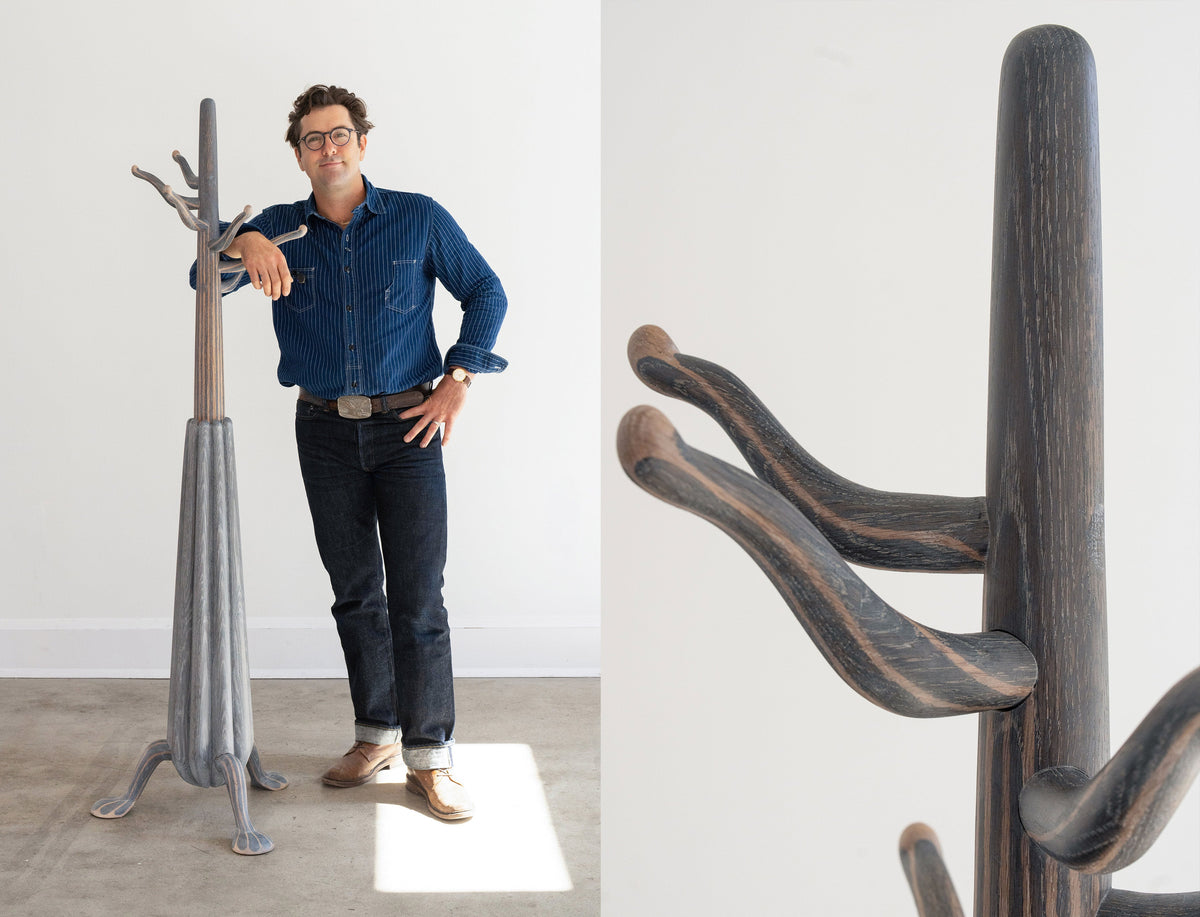
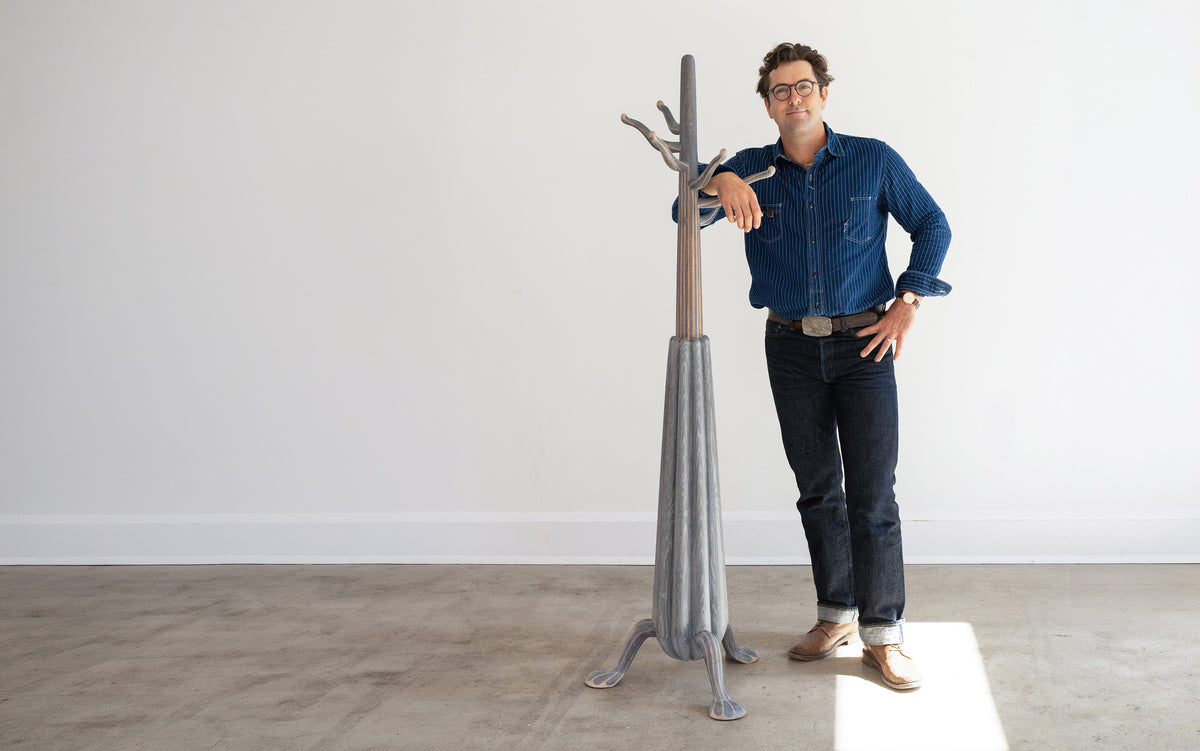
The OXALINO™ Waterfall Coat Rack is part of Water, the third movement of OXALINO™. Designed, hand-shaped and hand-painted by Nicholas Holmes, it brings the movement of water into solid white oak through curved forms and a painted pattern that flows from its arms to its feet.
An everyday object becomes a study in movement: something to use, walk around and discover through the changing relationship between wood, sculpture and line.
Design and Making: Nicholas Holmes / Hamilton Holmes
Material: Solid white oak
Finish: Hand-applied OXALINO™ and white oil
Movement: III — Water
Made in: Hamilton, Ontario
A form in flowing motion
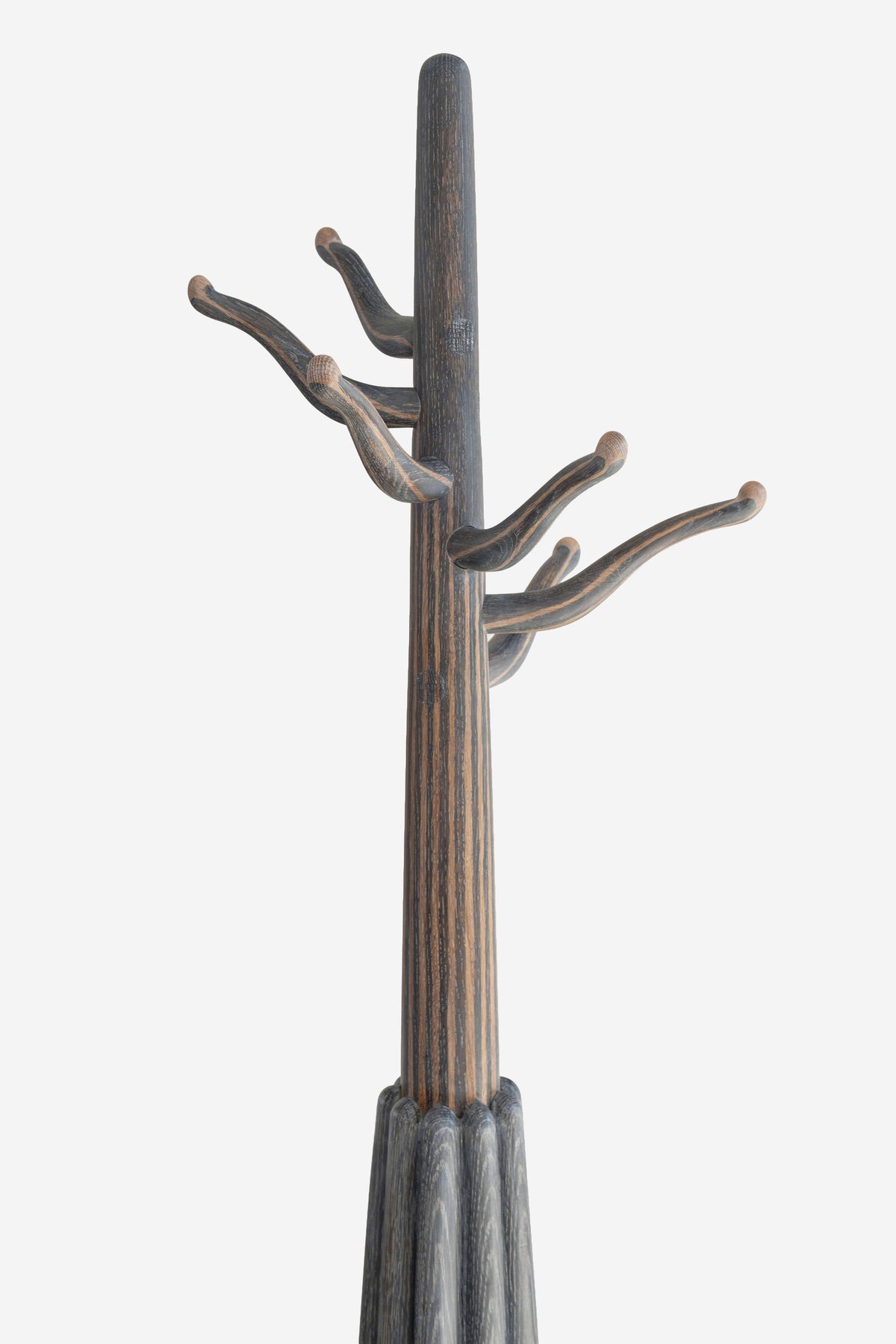
Curved arms taper toward a slender central stem, gathering the upper form into a continuous sculptural gesture. Below, a fluted body adds visual weight before three spreading feet carry the movement outward again.
The lower body keeps weight low and centred, making a practical requirement part of the design. The feet recall the sweep of a traditional cabriole leg, reinterpreted through softer, more fluid transitions.
“The goal on the piece was to make something that was functional but also incredibly organic.”
Nicholas Holmes
Founder, Owner, Principal Designer Hamilton Holmes
Painted lines gather along the arms, descend through the centre and reappear across the feet.
Painting the waterfall
The painted pattern traces the movement of the wood beneath it. Unoxidized tips give way to lines that follow the arms, gather at the stem and descend into the lower body. They emerge again across the feet, suggesting water spilling outward onto the floor.
Nicholas applies an oxidizing solution by hand, creating a dark stain through a reaction with the wood’s naturally occurring tannins. A white oil finish gives the surface its characteristic blue tone while leaving the grain visible.
As you move around the piece, the lines wrap into view and disappear again. Sculpture and surface describe the same movement, each changing how the other is seen.
Painted lines gather along the arms, descend through the centre and reappear across the feet.
Structure beneath the sculpture
The Waterfall Coat Rack incorporates traditional bridle and mortise-and-tenon joinery. The arms pass through the central section with wedged mortise-and-tenon connections, while the feet are joined directly into the base.
This construction supports Nicholas’s intention that the piece remain useful and beautiful over time: collected, lived with and eventually passed to another owner through a sale or gift.
Supporting the designer’s vision
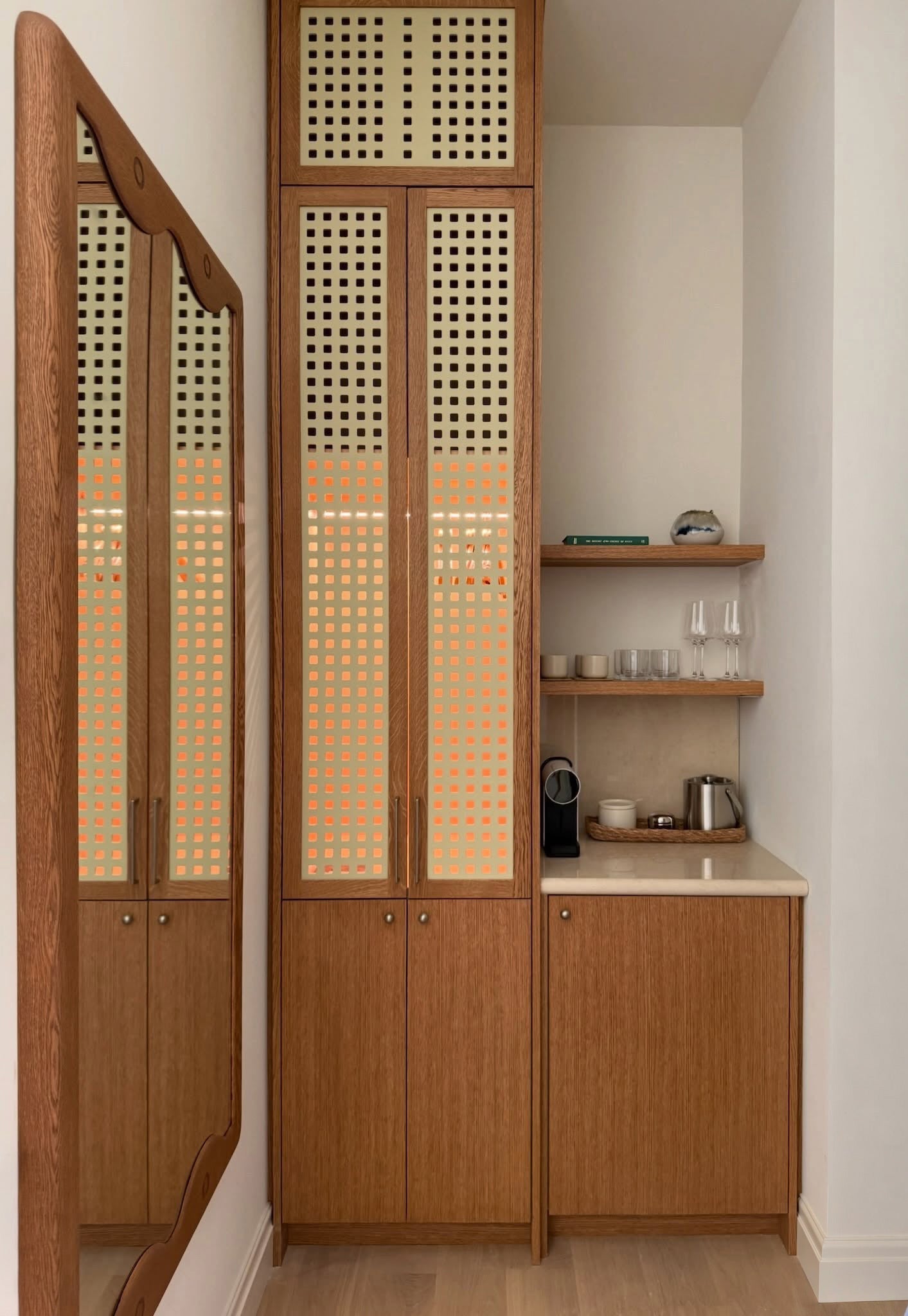
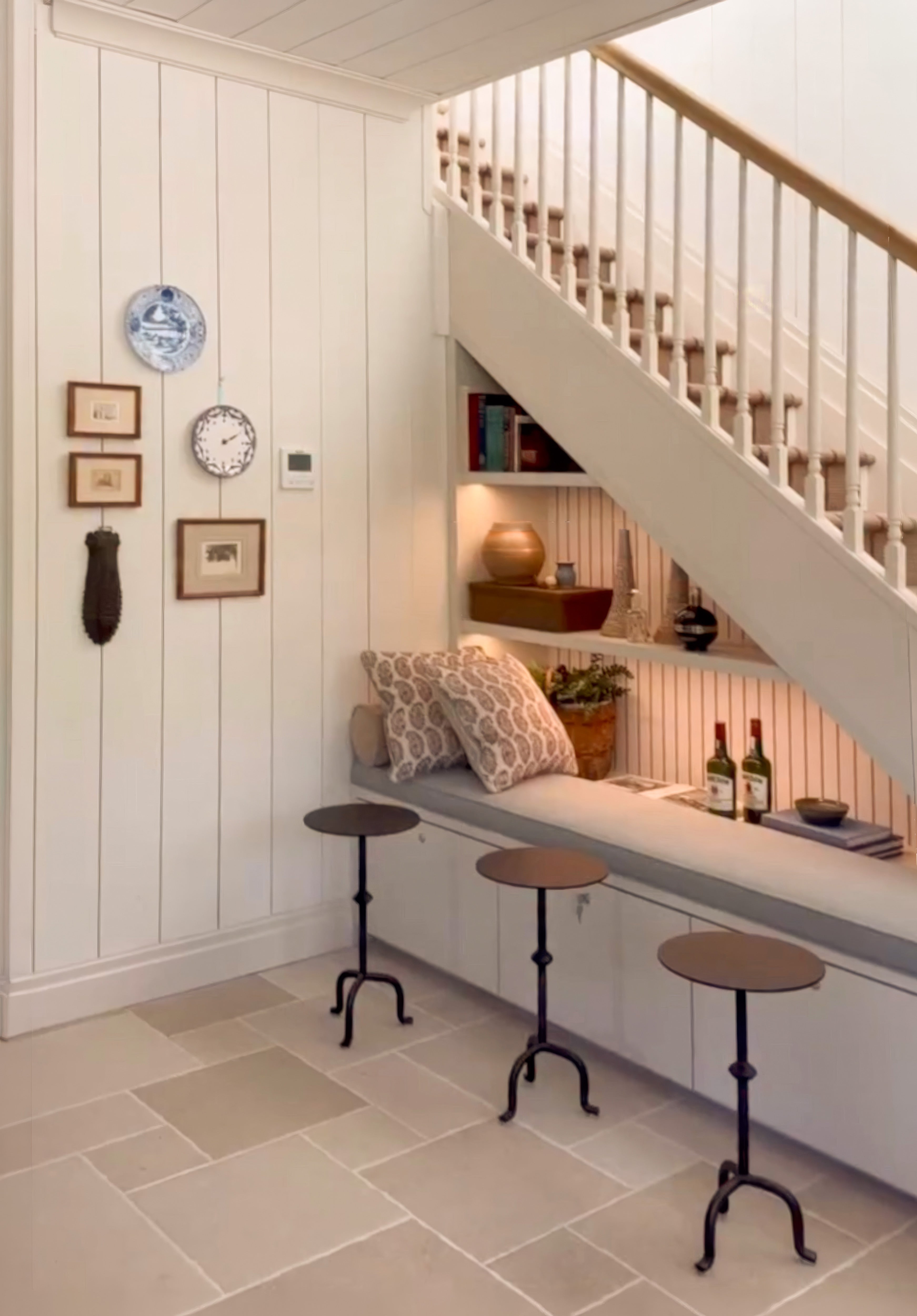
The work began with the design intent developed by Westgrove. Hamilton Holmes’ role was to help translate that vision into built form.
For interior designers, this is often where the most important problem solving happens.
A drawing, render, or concept image can establish the mood of a space, but the success of a custom piece depends on many practical decisions: proportion, material selection, joinery, edge details, finish, installation conditions, clearances, durability, and how the piece will be used over time.
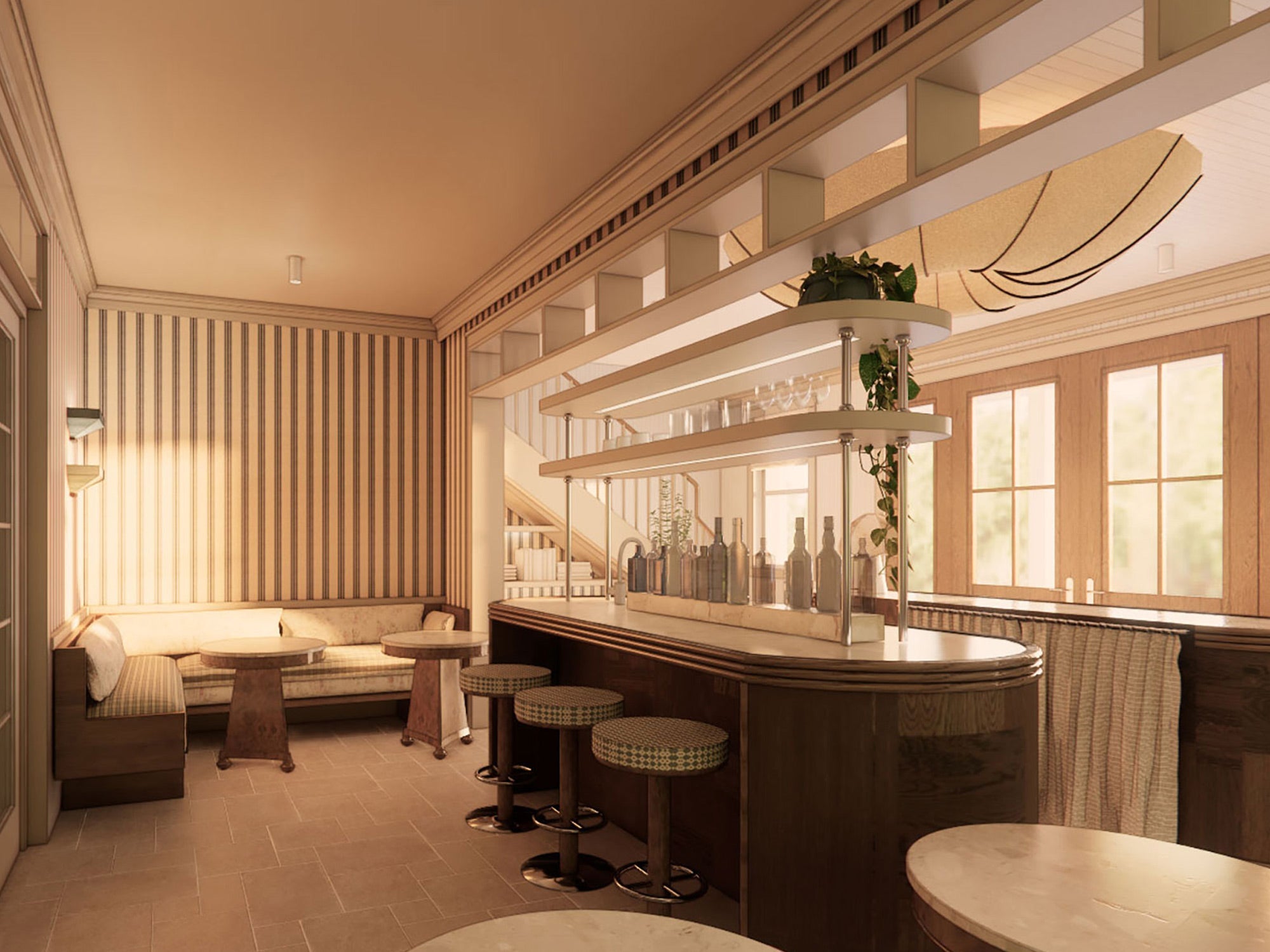
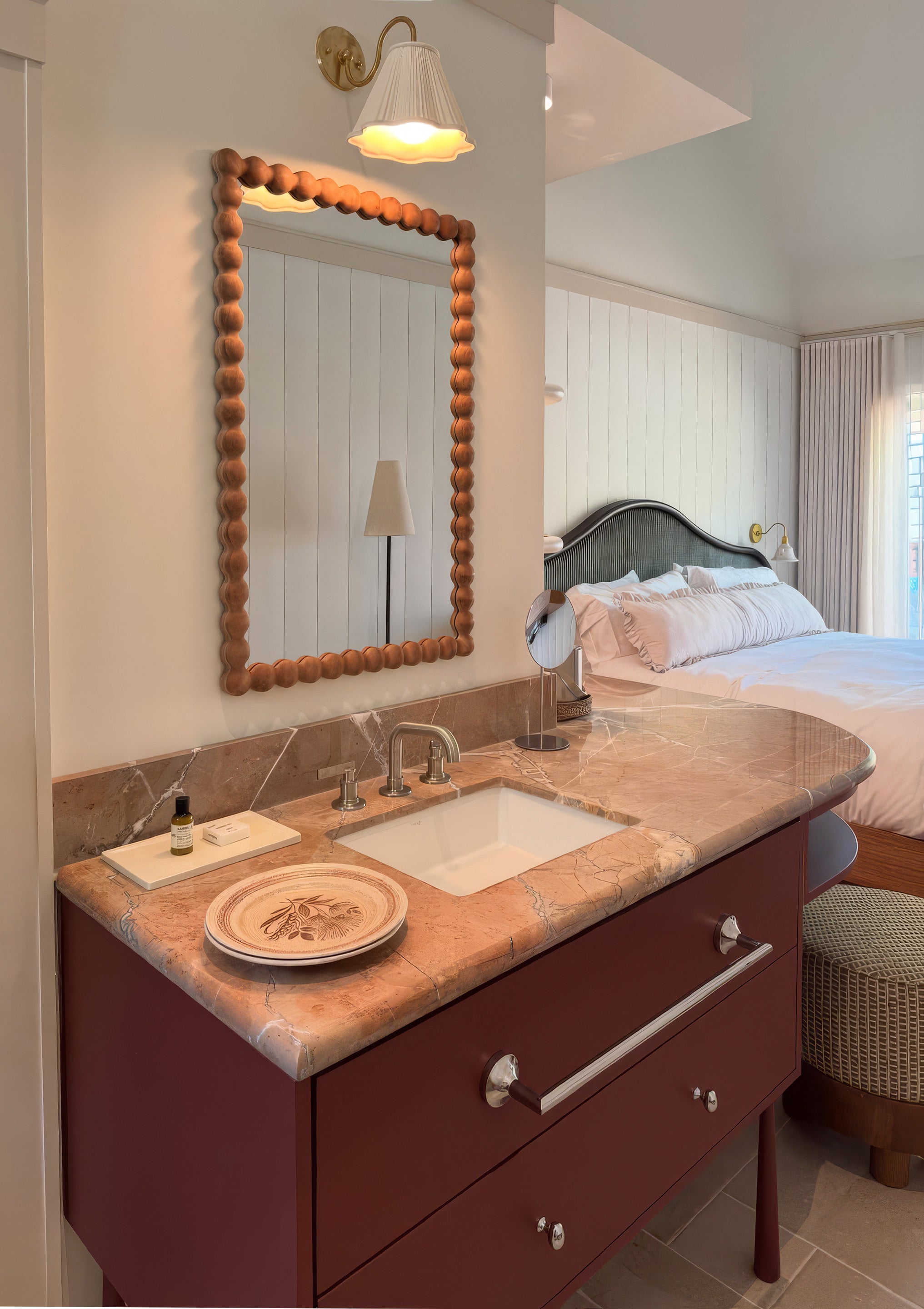
In a hotel, those decisions become even more important. A reception desk is not only a visual anchor. It is also a working surface, a point of arrival, a storage solution, and a piece of daily infrastructure for the staff. A bar needs to create atmosphere, but it also has to operate. A vanity must feel considered, but it also has to withstand use. A bed or stool has to support the character of the room while performing as furniture.
Hamilton Holmes worked through those layers with the design team to help ensure the finished pieces served both the visual language of the hotel and the practical demands of hospitality use.
Collectible Furniture to Last Lifetimes
Leeward House was looking for personality. Not generic hotel furniture. Not anonymous millwork. The goal was to create pieces that helped the hotel feel specific, warm, and memorable.
That kind of personality is built through detail.
- The curve of a counter.
- The weight of a table.
- The rhythm of repeated pieces across guest rooms.
- The way a banquette changes the feeling of a public space.
- The transition between a custom vanity, a bed, a bar, and a reception desk.
When furniture and millwork are developed together, those details can speak the same language. The space becomes more cohesive because the individual parts are not treated as separate problems. They are part of one larger experience.
News
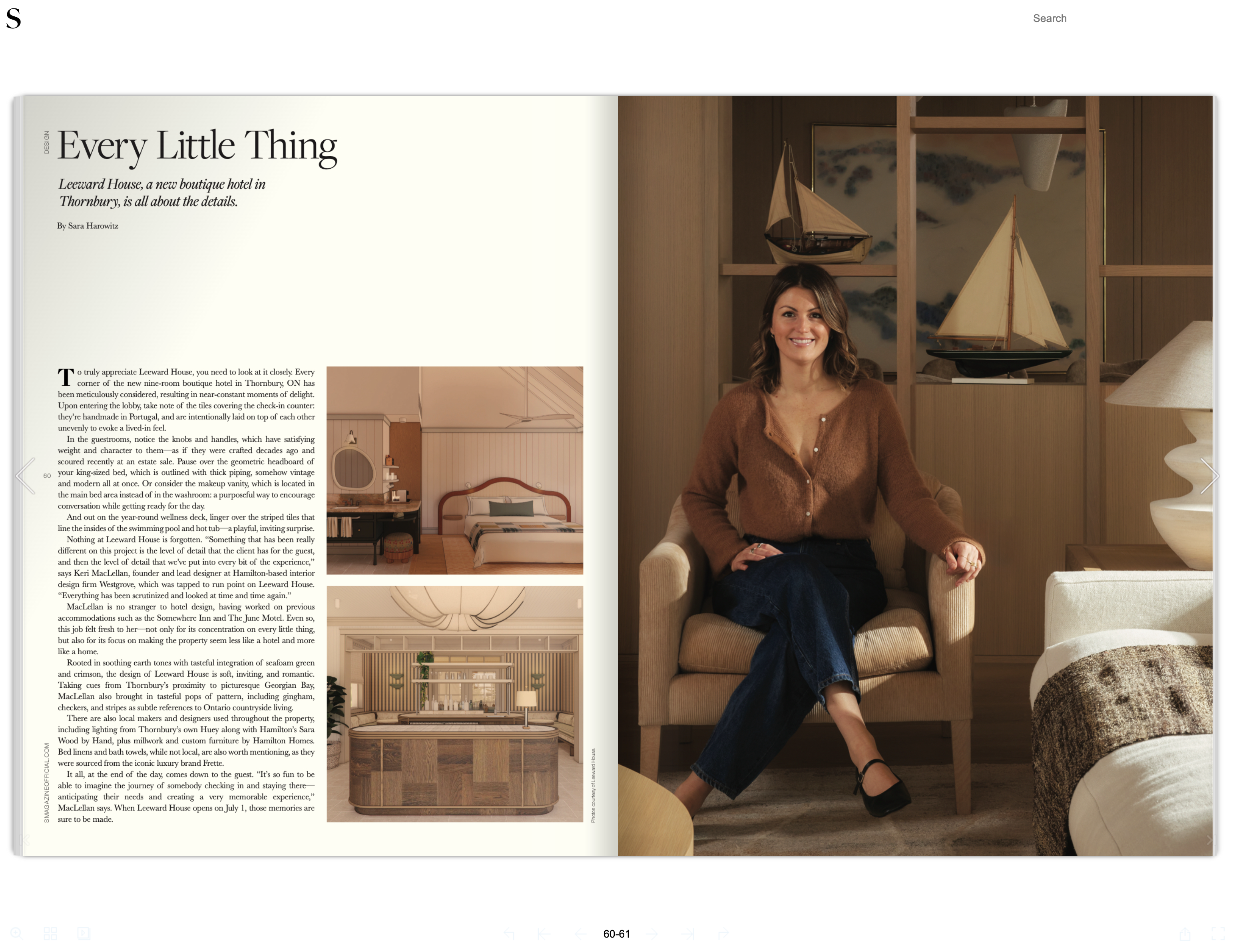
Featured in S Magazine
Shop Views
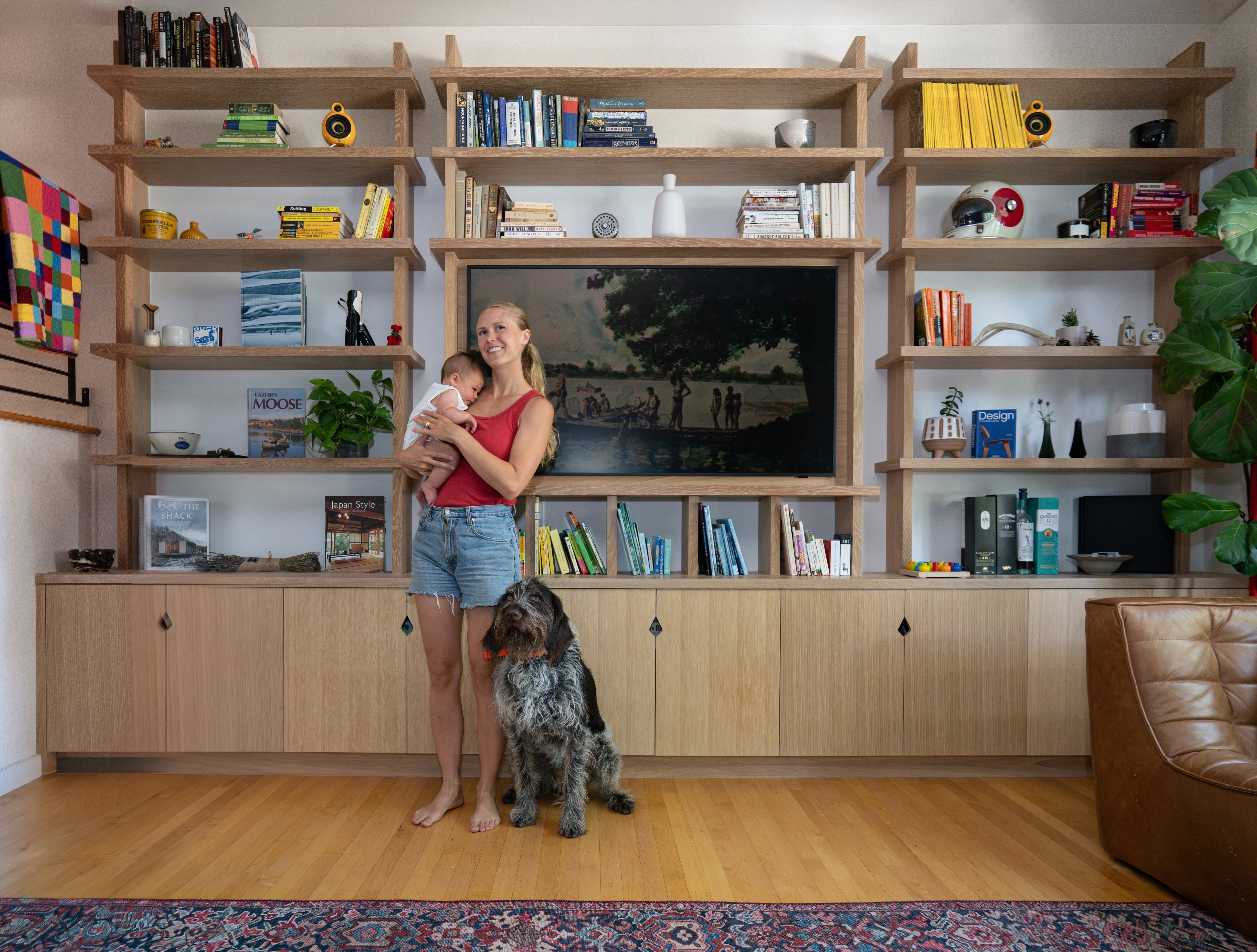
Kerri & Nicholas
videos by @_westgrove


A working hotel, now open
Leeward House is now open, which means the work has moved from shop drawings, material samples, fabrication, and installation into daily use.
Guests are arriving.
Staff are working in the spaces.
The furniture and millwork are becoming part of the hotel’s rhythm.
For Hamilton Holmes, that is one of the most rewarding parts of a project like this. The work is not made for a showroom. It is made to be lived with, touched, used, and remembered.
Project Credits
Interior Design: Keri MacLellan, Westgrove
Custom Furniture and Millwork: Hamilton Holmes
Project: Leeward House Hotel
Location: Thornbury, Ontario
Special Offer
For a limited time, receive 20% off when purchasing a pair of Desert Chairs.
Offer valid until July 13, 2026.
20% off, min two chairs until July 13, 2026
Featured Product
The Desert Chair would feel completely at home at Leeward House.
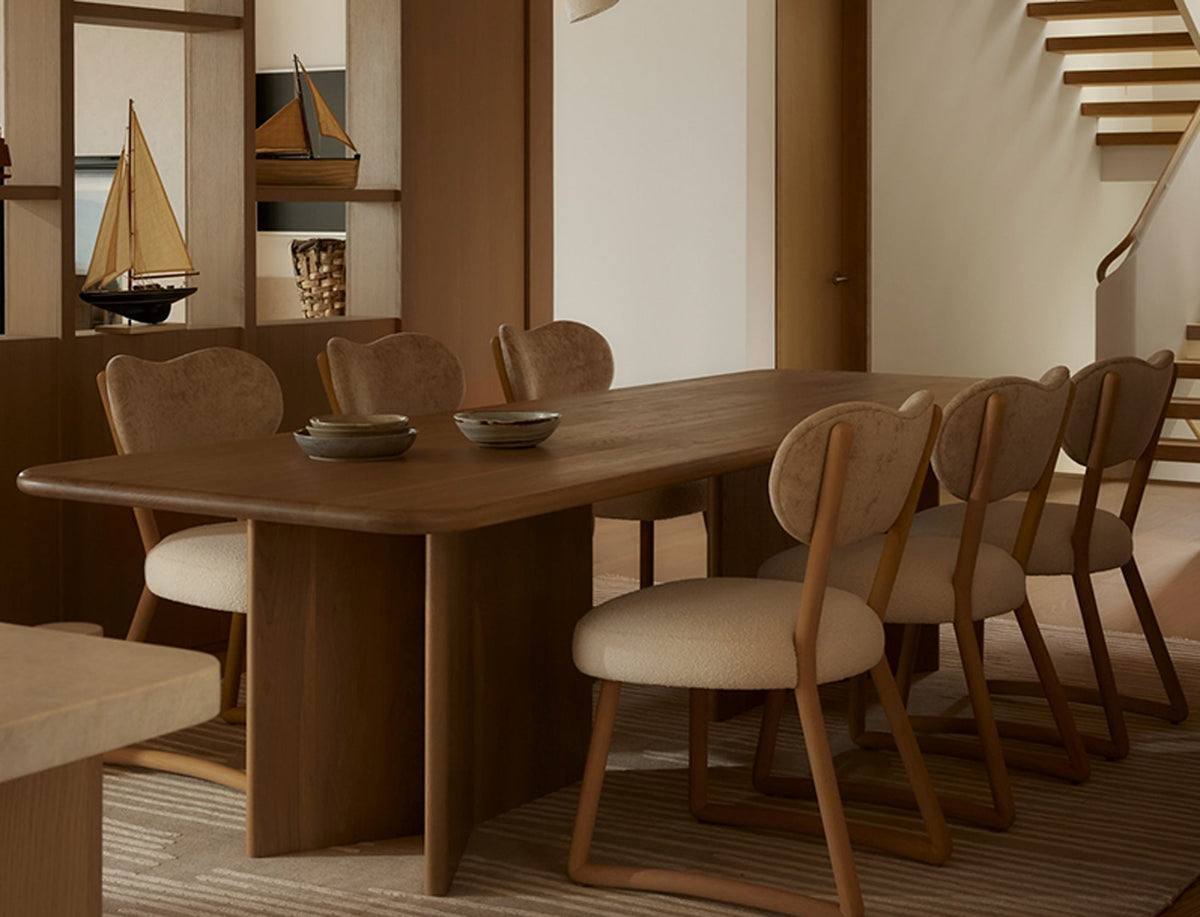
It shares the same relaxed hospitality language: warm wood, honest construction, a slightly nostalgic silhouette, and an easy sense of place. Around a dining table, in a guest room corner, or pulled into a lobby setting, it has the kind of character that suits spaces designed to be used, remembered, and talked about.
Designed and made by Hamilton Holmes, the Desert Chair is built in solid wood with a woven seat and a slender, architectural frame.
It brings together comfort, craft, and atmosphere in a piece that feels both familiar and distinctive.
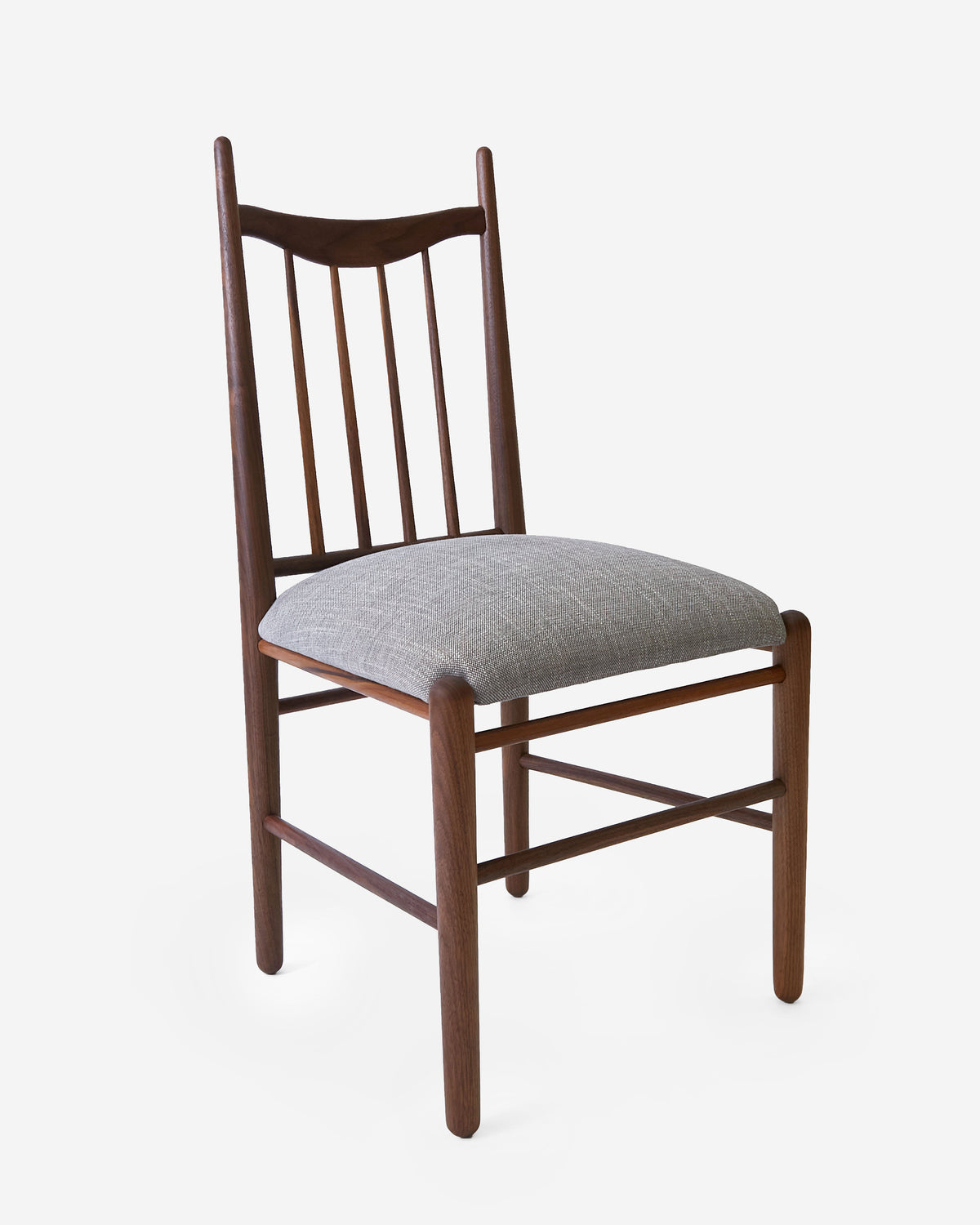
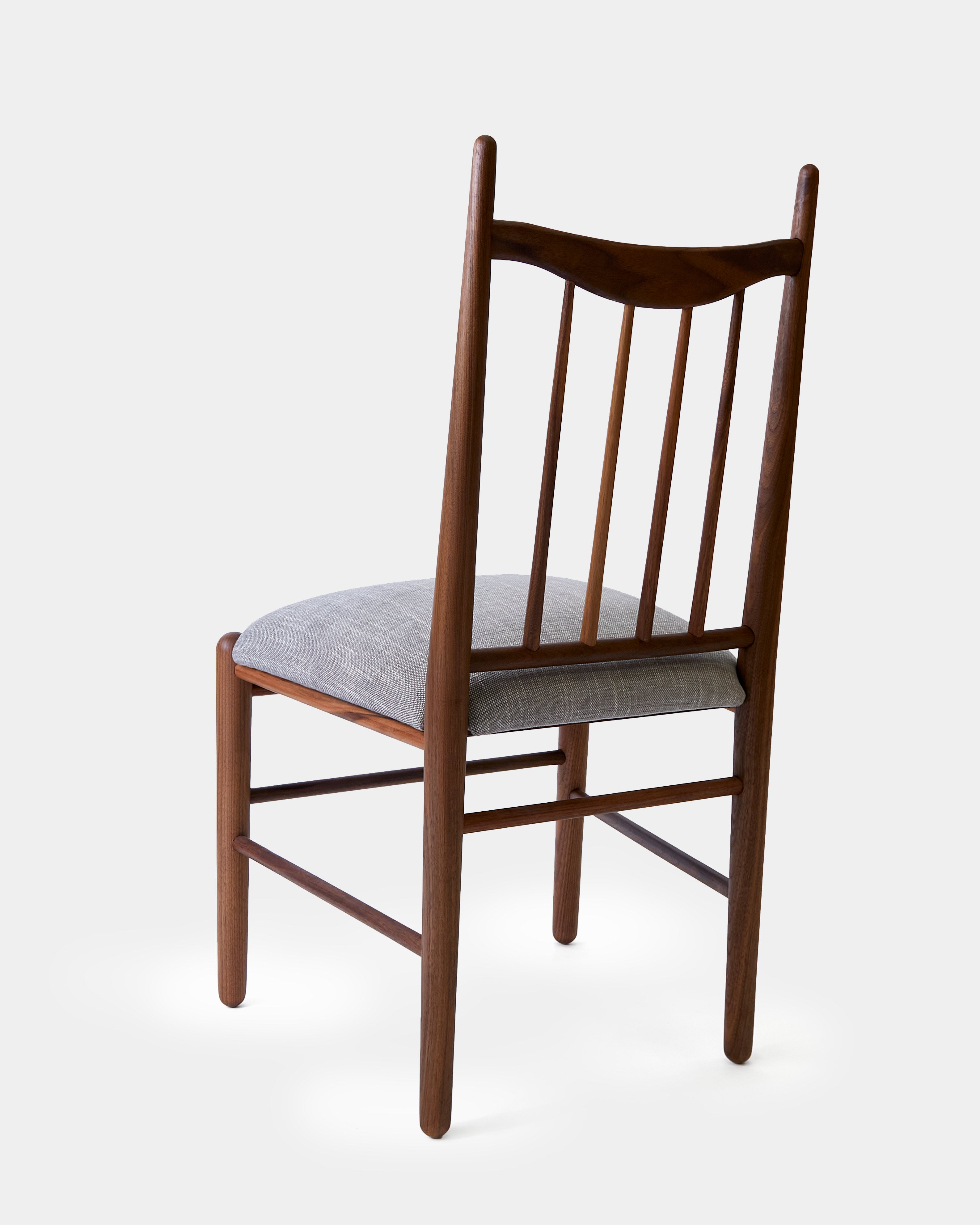
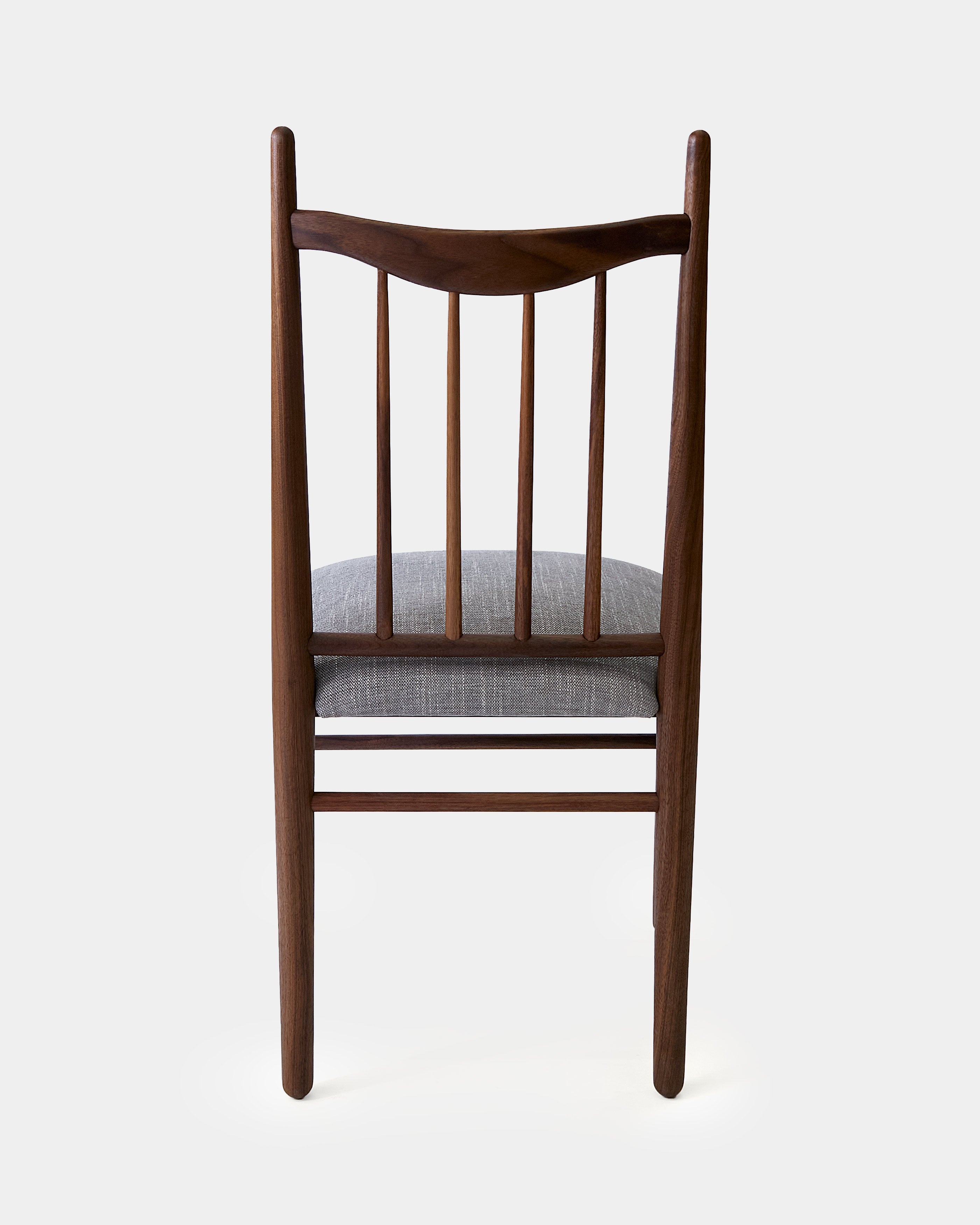
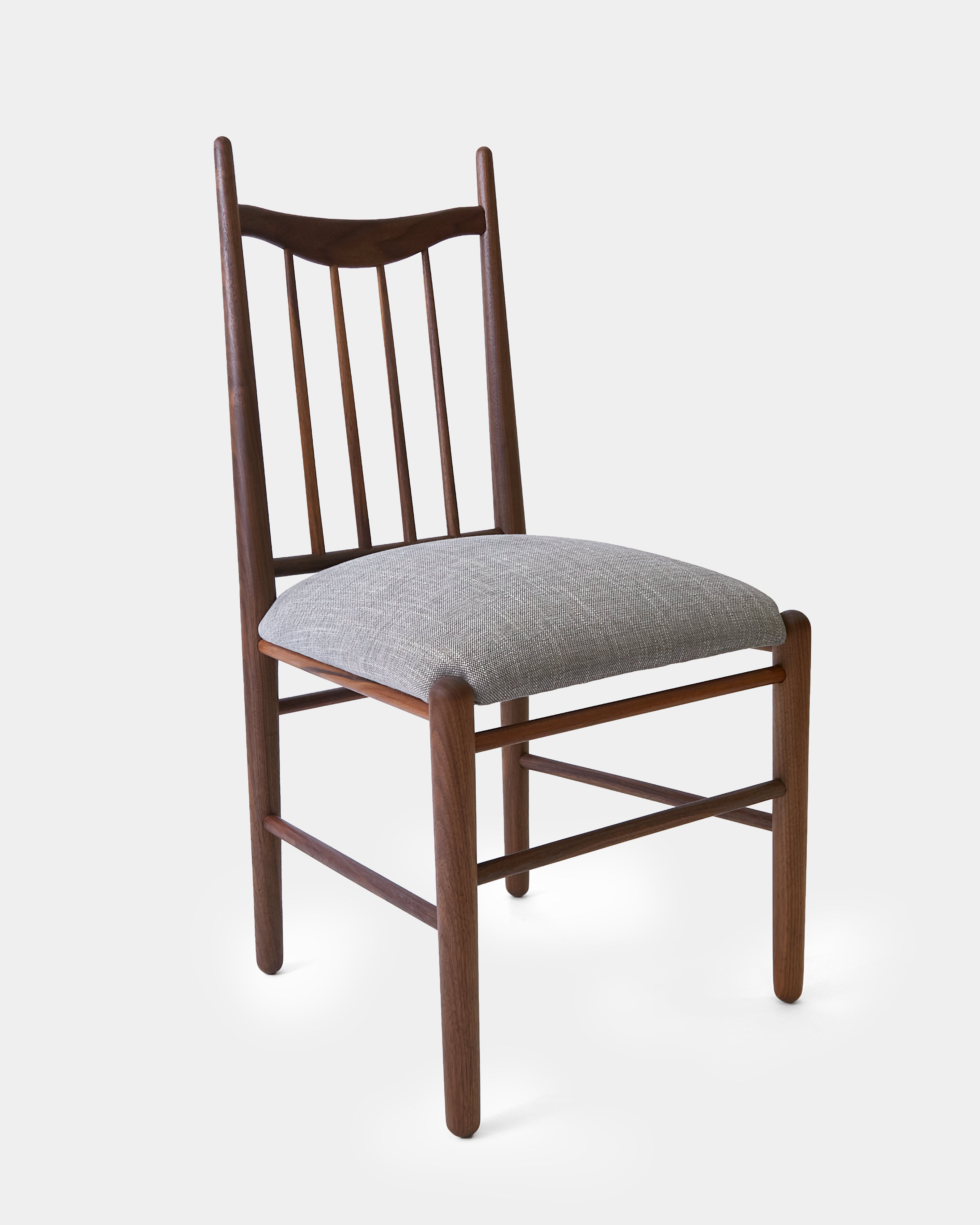
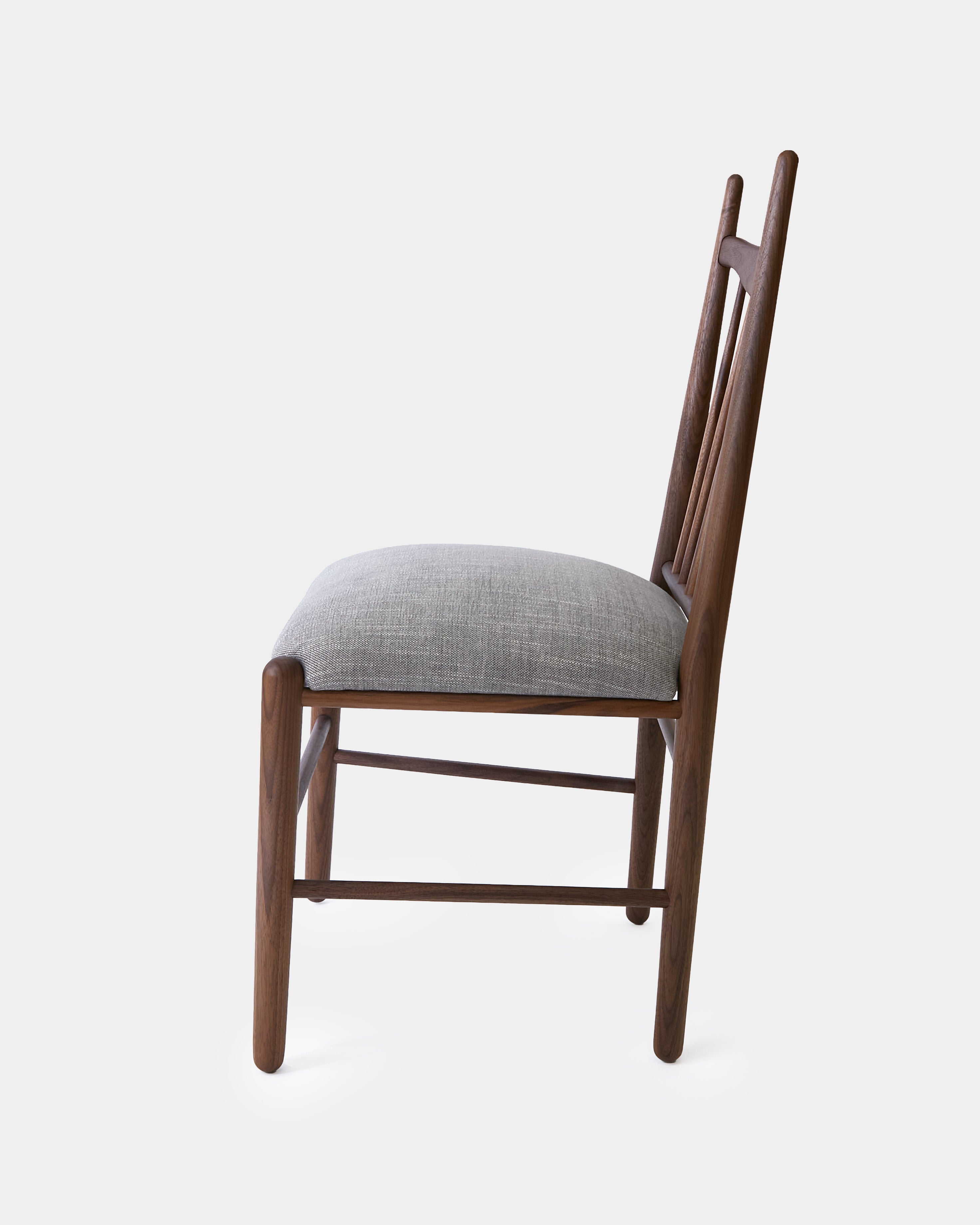
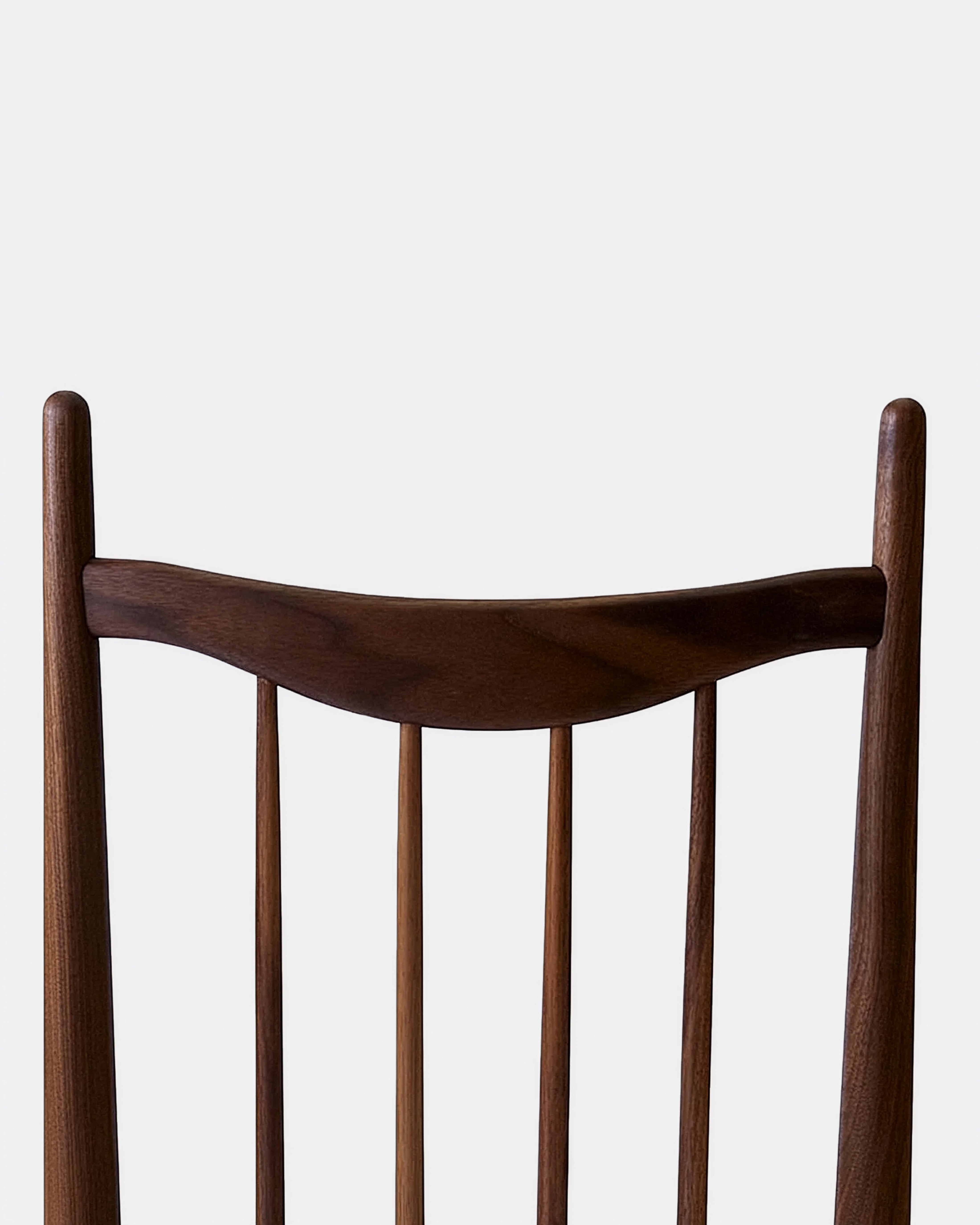
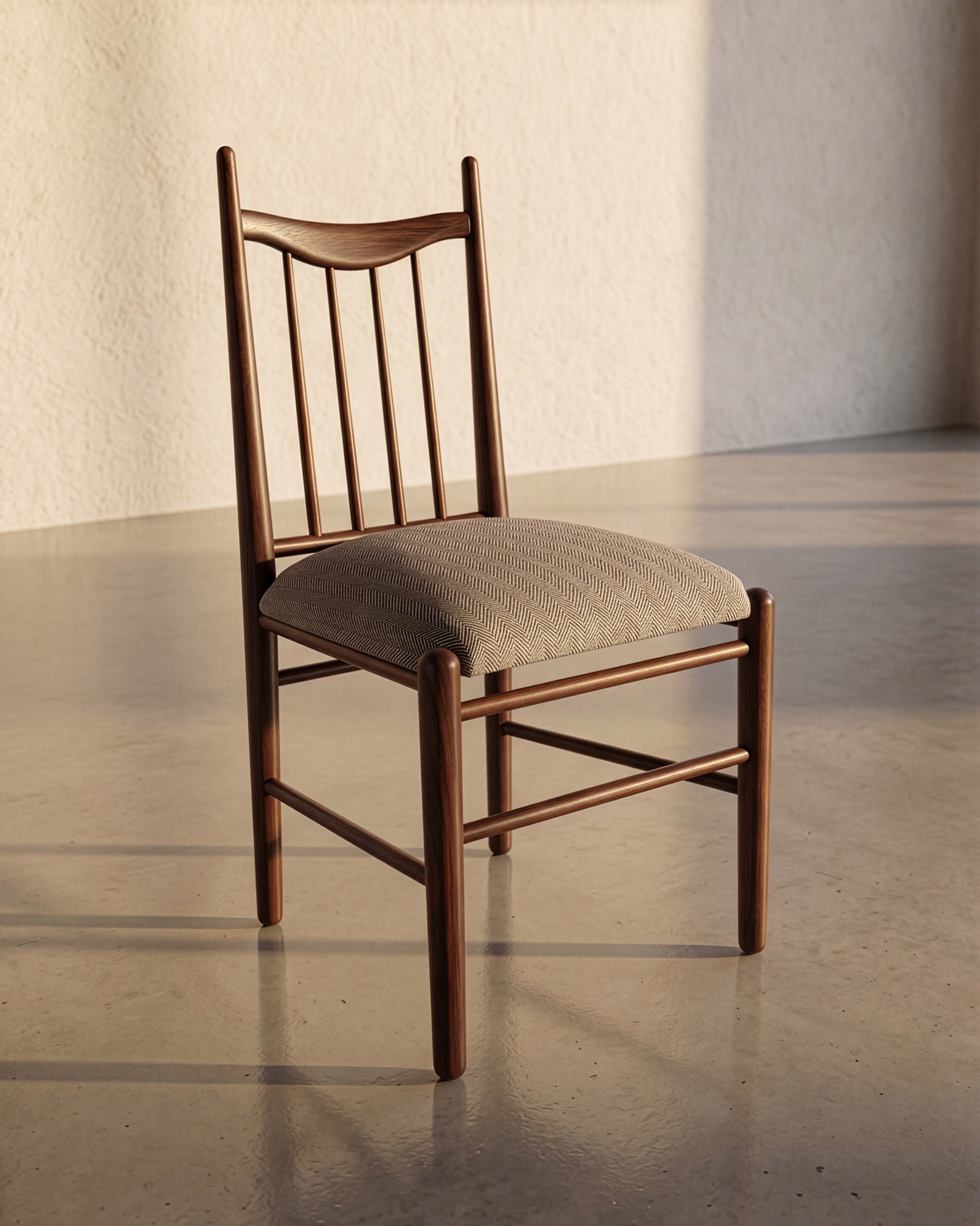


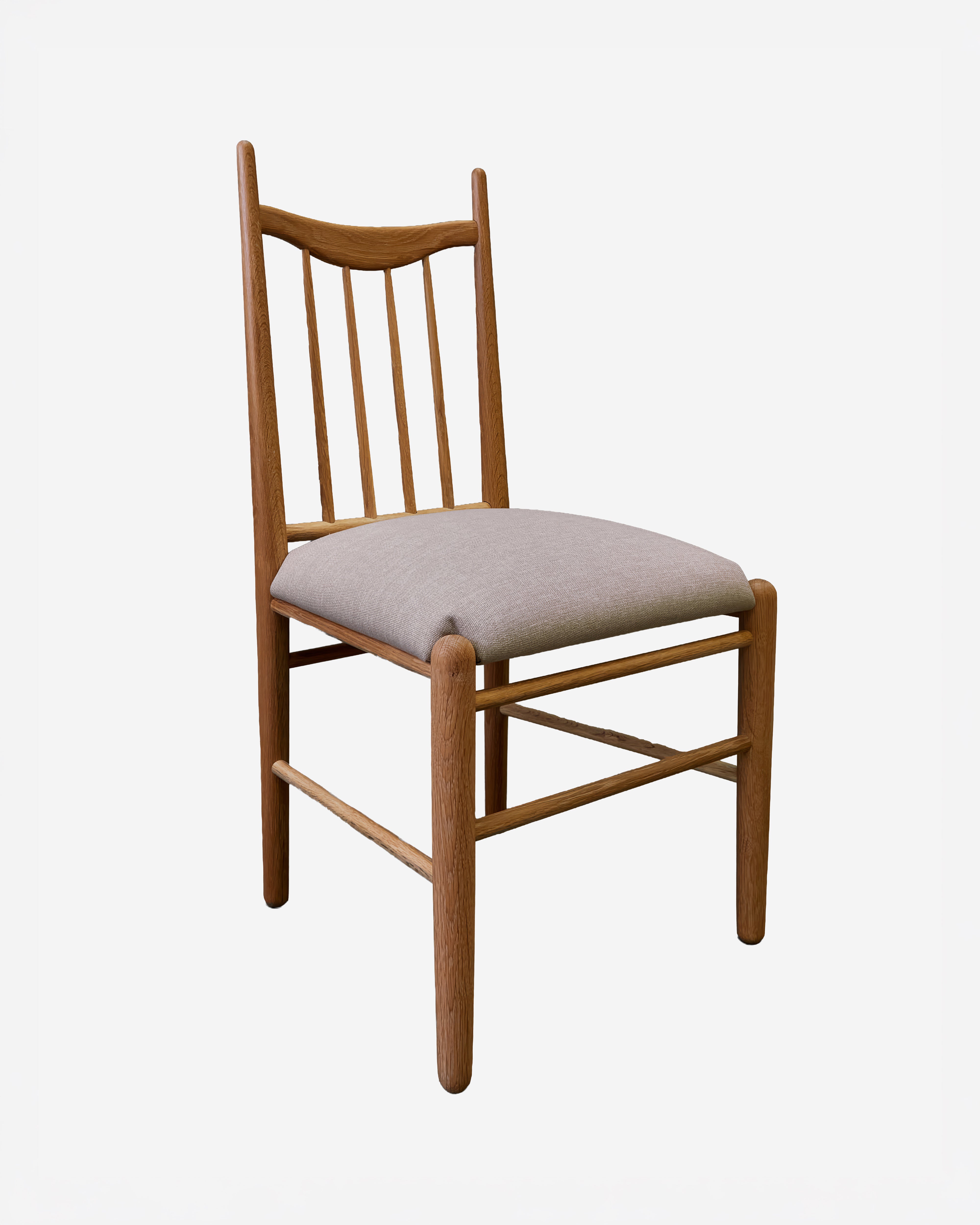
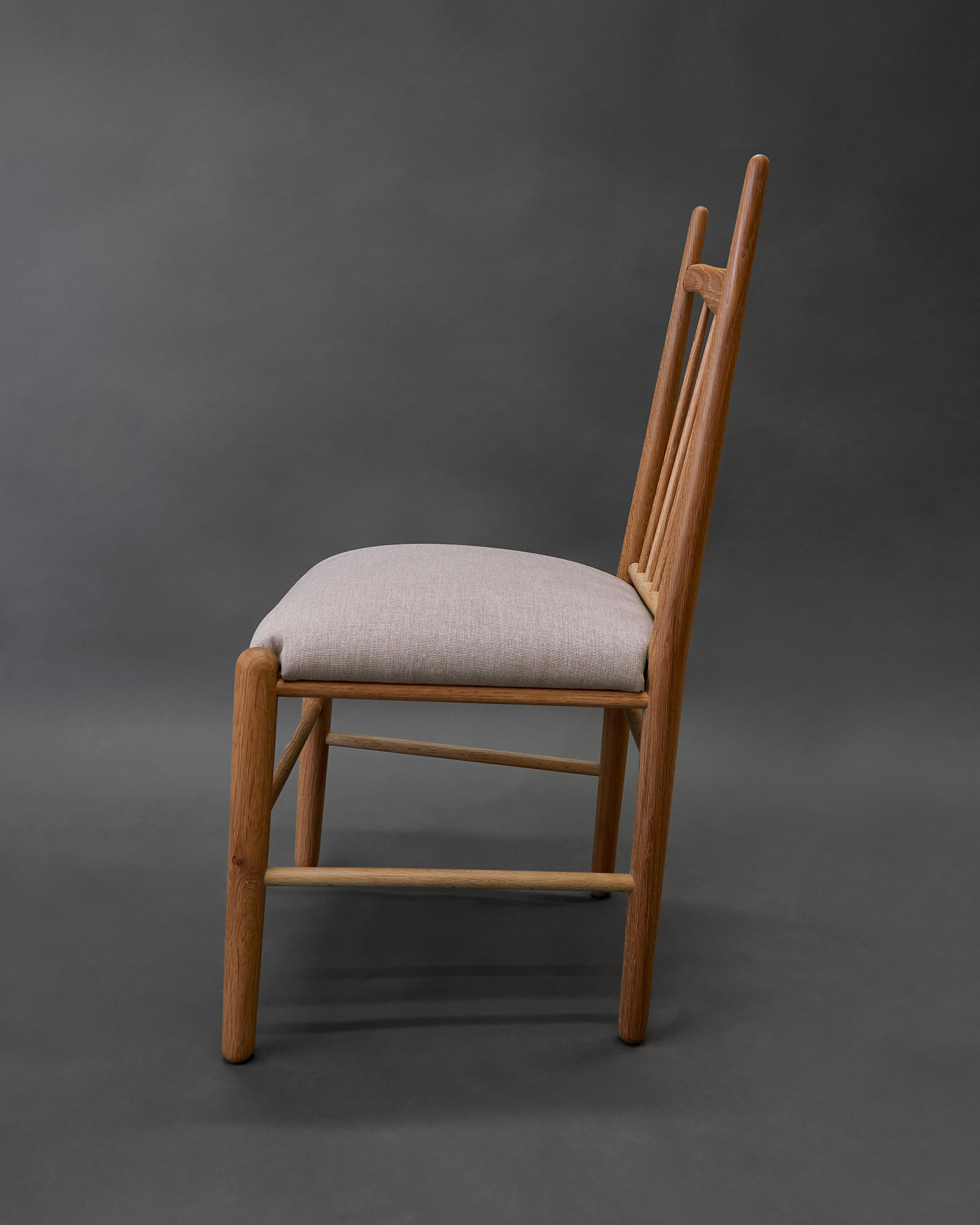
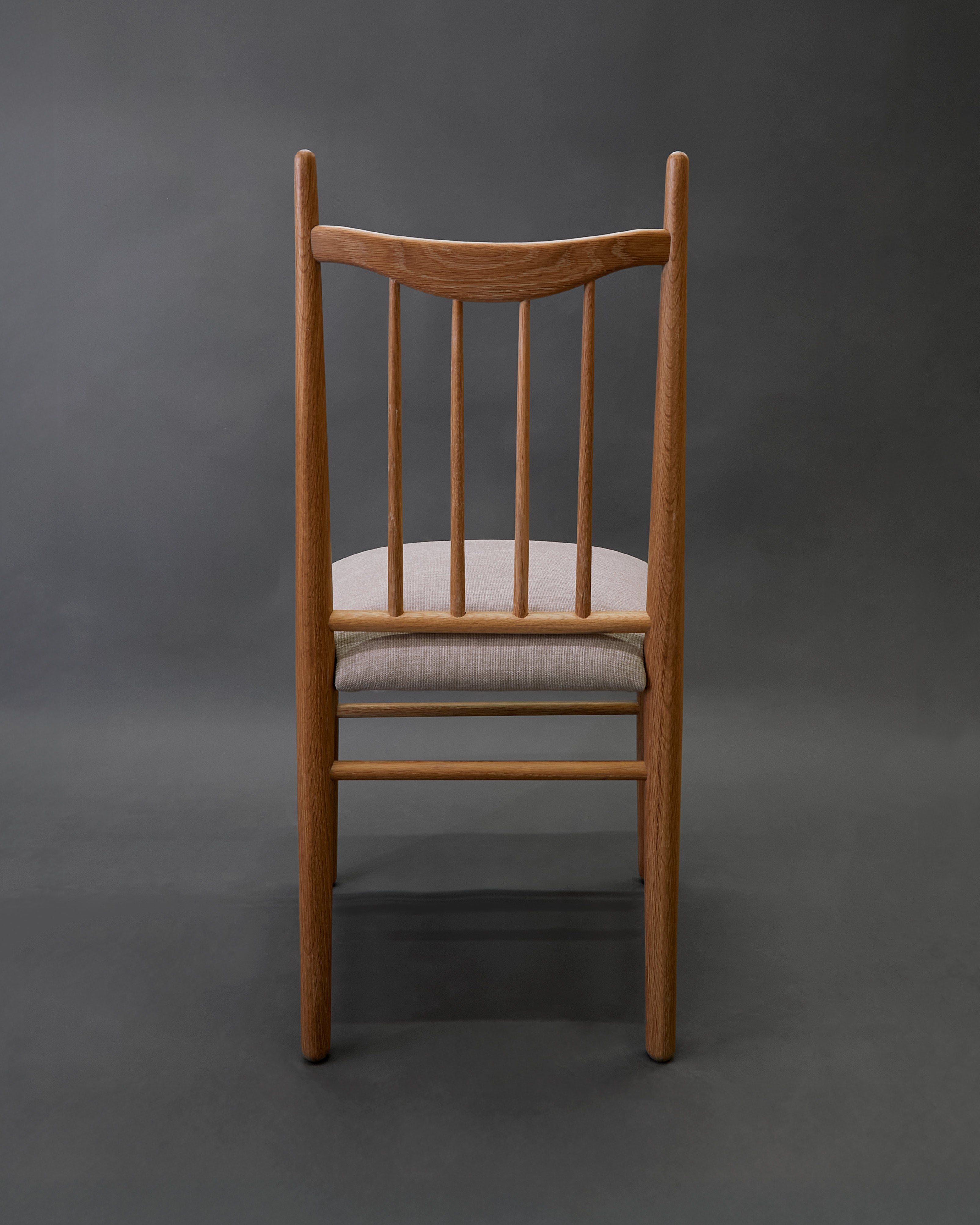
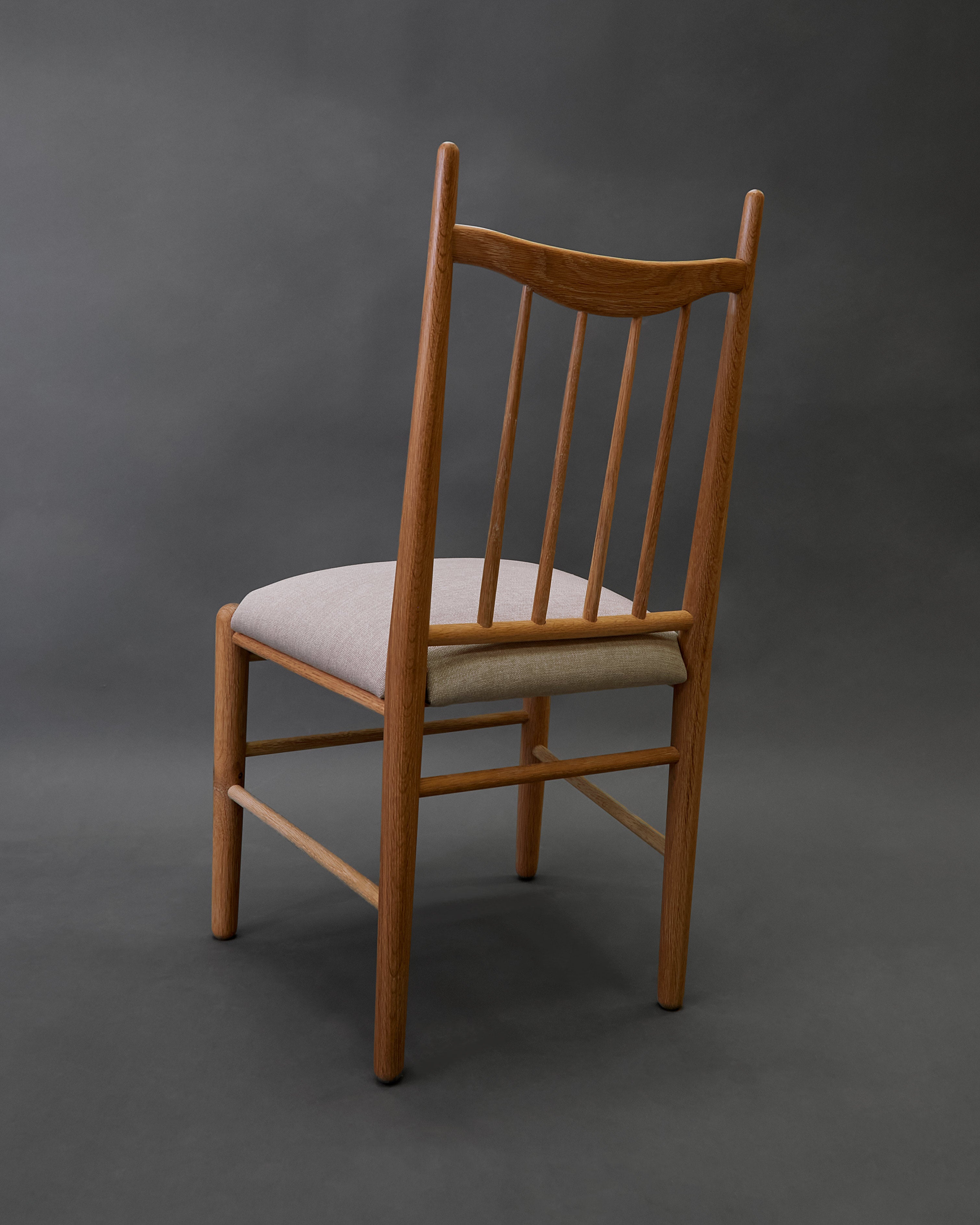
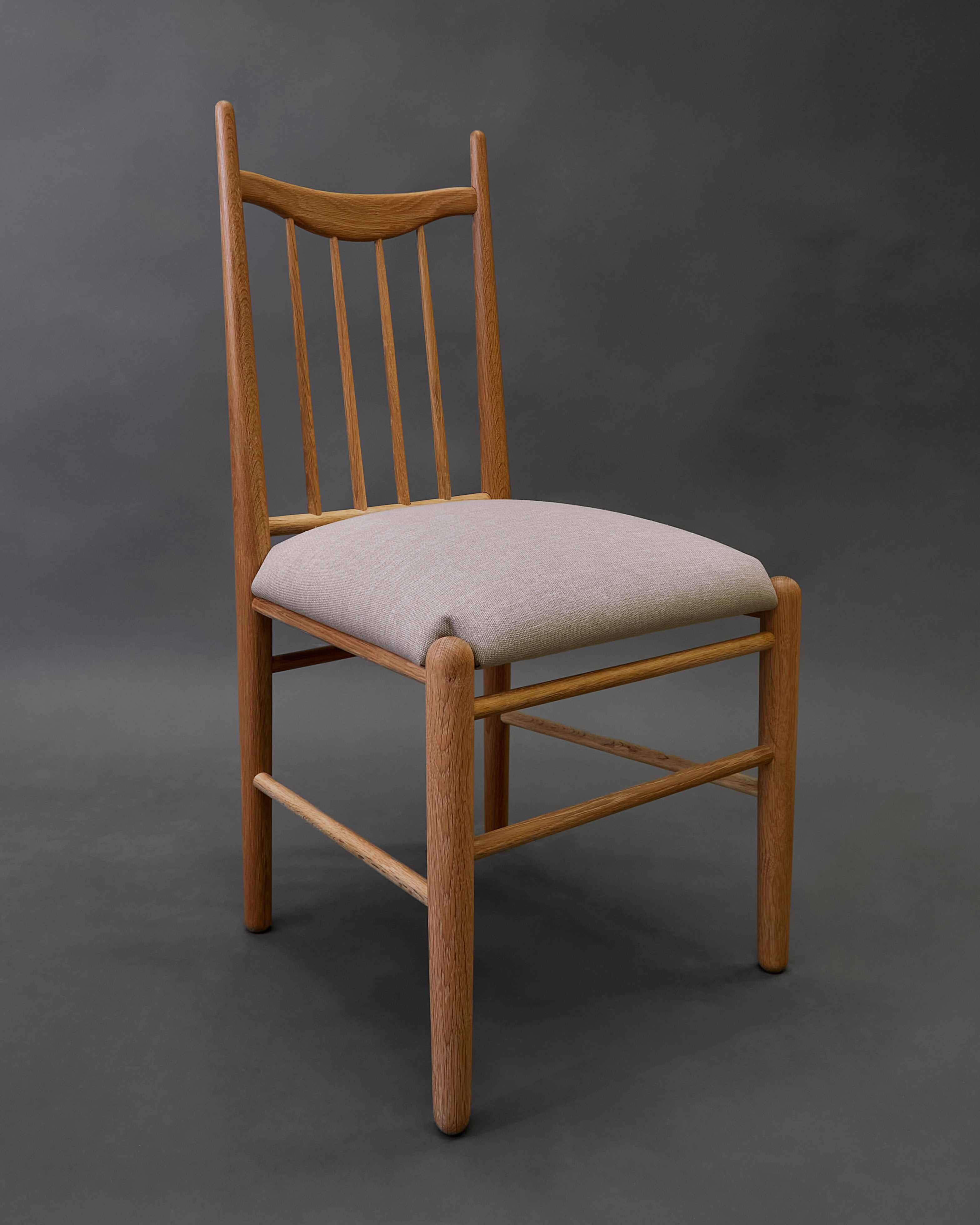
UPHOLSTERED DINING CHAIR
Reimagining the traditional stick and ladder back, this chair is lightly balanced but strong and comfortable. The tapered legs and curved back yoke make an understated impression at any dining table. All the joinery is traditional mortise and tenon with no other fasteners.
Work with our design team to choose one of our in-house fabric options, or use the customer’s own fabric.
Designer Resources page (.jpg, .pdf, 3d models, in-situ, videos)
Dimensions
26” H x 18” Dia.
Available Materials
Black Walnut, White Oak, Ash, and other hardwoods upon request. Also available in the OXALINOTM collection.
Custom dimensions and finishes available.
Upholsterery COM/COL.
Shipping
Each order receives a personalized shipping review to determine the safest and most cost-effective delivery option.
Secure your piece today. We’ll confirm the best shipping option before production or dispatch.
For in-stock pieces, flat rate white glove delivery is available within the GTA.
See Shipping information page